
The Name on the Desk
Room for expression, with a familiar name underneath.
 By Patrick Amihood, Creator of Postmello ·
Choosing a name for a space changes the way it feels.
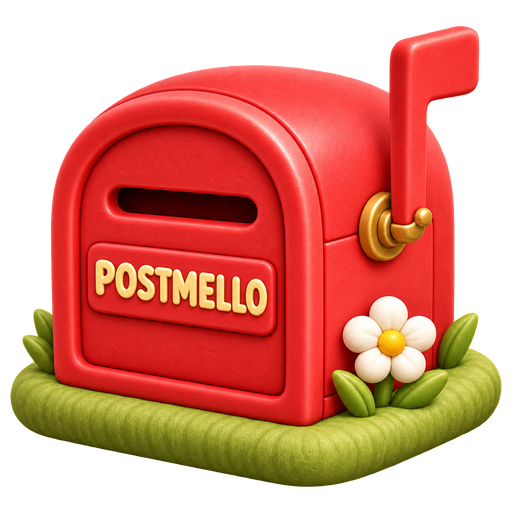
In Postmello, that choice is made on a nameplate. The desk owner writes a nickname, chooses an icon if one is wanted, and places the finished plate on the mailbox. The name becomes part of the furniture.
I wanted room for that kind of expression. Someone might choose a familiar nickname, something playful, or a name that belongs to the world of a particular desk. The small hero icon beside it gives another way to say something about the person writing there.
People using Postmello have enjoyed making those choices, sometimes matching their names and icons to their desk space. I like that the expression extends beyond the letter. Before anything has been written, the place already feels more personal.
There is a second naming choice that matters just as much: what to call a friend.
The person an admin knows as Carol might be Grandma to one desk. Another desk might use a different nickname and a different icon. Those choices belong to the relationship. There is no reason every person who writes to Carol should have to use the same label.
When a new friend arrives, Postmello makes room for that decision. The friend comes in a packet, and personalizing the nameplate is part of making a place for that friend's letters. The finished drawer holds a name chosen by the person who will open it.
That creates a useful distinction between a name someone chooses for themselves and the name a friend uses for them. Both deserve space.
It also creates a design responsibility. A playful name should not make it easy to disguise which desk is sending a letter.
The admin's name for the desk therefore remains underneath the self-expression. On the sender's envelope label, a different nickname appears above that desk name. When both names are the same, Postmello prints it once. When they differ, both are visible.
For example, a desk named Alex might choose “Captain Comet” and a star. The outgoing label can carry that expression while still showing Alex beneath it. Changing the nickname does not turn the desk into a different person.
That is the protection I wanted: room to play with identity while keeping the familiar identity available to recognize. Someone trying to pass off the desk as another friend has a much harder time when the admin's name remains on the label.
The personalization screens keep that reference available too. While editing, the nameplate identifies whose mailbox or drawer is being named. The person choosing the nickname can see what the choice is attached to.
There is another small consequence of treating names carefully. A letter keeps the labels it had when it was sent and delivered. Renaming a drawer later does not go back and rewrite old envelopes. Those letters belong to a particular moment, including the names people were using then.
I wanted self-expression to fit comfortably inside a known relationship. A nickname, a hero icon and a chosen space add character to that relationship. The familiar name gives it somewhere to stay anchored.